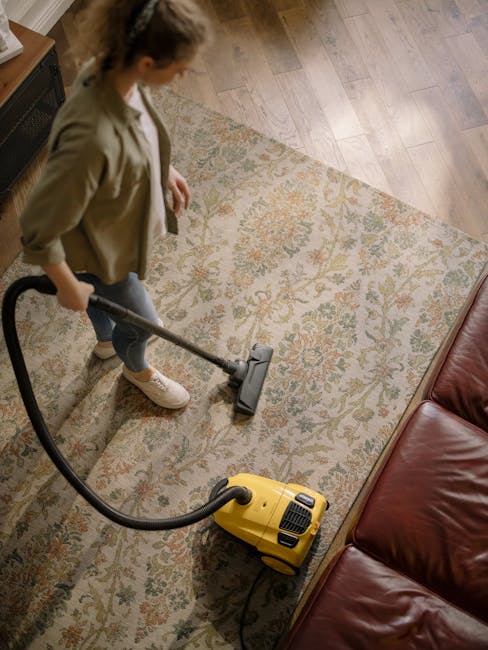
Ponders End EN3 carpet cleaning guide for High Street homes
If you live on or near High Street in Ponders End, carpet cleaning is rarely just about "making it look nicer". It is about daily wear, muddy shoes, delivery traffic, pets, prams, and the kind of dust that seems to settle in a room the moment you've finished hoovering. This Ponders End EN3 carpet cleaning guide for High Street homes is built for that reality. It explains what works, what to avoid, how to choose a method, and how to keep carpets looking decent for longer without turning the whole job into a weekend you'd rather forget.
Truth be told, most carpets do not fail dramatically. They just slowly lose brightness, start holding smells, and pick up marks that your eye gets used to. Then one day you notice the hallway looks a bit tired, and the living room has that slightly dull, lived-in look. That is exactly when a proper plan helps.
Below, you will find practical advice for busy High Street homes in EN3, plus useful pointers on stain treatment, drying, maintenance, and when to use a professional service such as carpet cleaning or steam carpet cleaning depending on the carpet and the level of soiling.
Table of Contents
- Why this guide matters for High Street homes
- How carpet cleaning works in practice
- Key benefits and practical advantages
- Who this is for and when it makes sense
- Step-by-step guidance
- Expert tips for better results
- Common mistakes to avoid
- Tools, resources and recommendations
- Law, compliance, standards, or best practice
- Options and method comparison
- Case study or real-world example
- Practical checklist
- Conclusion
- Frequently asked questions
Why Ponders End EN3 carpet cleaning guide for High Street homes Matters
High Street homes in Ponders End tend to have a slightly tougher life than quieter side-street properties. That is not a criticism; it's just the pattern. More footfall means more grit. More grit means more abrasion. And abrasion is one of the main reasons carpets age faster than they should.
In practical terms, dirt does not just sit on the surface. Fine particles work their way into the pile, where they get crushed under everyday walking. Over time, that can make the carpet look flat and grey even if you vacuum regularly. A decent clean removes more than visible marks. It helps lift embedded soil before it becomes a long-term problem.
There is also the matter of comfort. A clean carpet feels different underfoot. It looks calmer. It smells fresher. In a compact High Street home, where a front room may double as a living room, dining space, and somewhere to drop coats and shoes, that matters more than people admit.
Let's face it, no one wants a guest stepping in and immediately noticing a patchy hallway or a stain beside the sofa. Small things, yes. But small things do a lot of visual work.
This guide is especially useful if your home has any of the following:
- front-door traffic that brings in street grit
- pets that move between indoors and outdoors
- children, prams, or frequent visitors
- hallways and stairs that wear faster than bedrooms
- older carpets that need careful treatment rather than aggressive scrubbing
If your carpets are already showing marks or odours, a broader approach to stain removal or even pet stain odour removal may be needed alongside routine cleaning.
How Ponders End EN3 carpet cleaning guide for High Street homes Works
Carpet cleaning is not one single method. It is a process of identifying the carpet type, the soil level, the stains involved, and the amount of drying time you can realistically handle. That last part gets overlooked all the time. A deep clean is only useful if the room can be put back into use without fuss.
The general flow is simple enough:
- Inspect the carpet and identify problem areas.
- Vacuum thoroughly to remove loose debris.
- Pre-treat stains and high-traffic areas.
- Clean using the most suitable method.
- Extract moisture and soil residue.
- Allow proper drying and final grooming of the pile.
Where homes are busy or have more stubborn dirt, hot water extraction is often the standard professional choice. Many people call this steam cleaning, even though the process usually uses hot water and suction rather than pure steam. The important point is not the label; it is whether the method suits the carpet fibre and the amount of soiling.
For delicate rugs or mixed materials, a gentler method may be better. For example, a wool runner in a narrow hallway needs a different approach from a synthetic living room carpet that has absorbed months of heavy traffic. If you want something tailored for smaller loose floor coverings, rug cleaning is a sensible companion service to consider.
Drying matters just as much as washing. A carpet that stays damp too long can feel unpleasant and may pick up a stale smell. Good airflow, moderate heating, and avoiding traffic until the pile is properly dry all help. Simple, really, but easy to get wrong when you are in a rush.
Key Benefits and Practical Advantages
A proper carpet clean gives you more than a cosmetic lift. The most immediate benefit is appearance, but the real value often shows up in day-to-day living.
- Better first impression: Clean carpets make a hallway, front room, or staircase feel cared for straight away.
- Reduced grit wear: Removing embedded particles helps slow down fibre damage.
- Improved freshness: Odours from food, pets, and daily life are easier to manage.
- More comfortable rooms: Carpets feel softer and less tired after a proper clean.
- Longer carpet life: Regular maintenance can delay replacement, which is not cheap, let's be honest.
- Better hygiene routine: While cleaning is not a medical treatment, it does remove a lot of the dust and residue that build up in everyday homes.
There is also a quieter benefit: peace of mind. Once the carpet is clean, you stop noticing the same marks every time you walk past them. That mental relief is small but real.
For rooms with sofas, curtains, or upholstered chairs, a coordinated clean can make a noticeable difference. If the whole room feels flat, it may be worth looking at sofa cleaning, upholstery cleaning, or even curtain cleaning so the space looks consistent rather than half-done.
Who This Is For and When It Makes Sense
This guide is for homeowners, tenants, landlords, and anyone looking after a High Street property in EN3 where carpets see regular use. That could mean a terrace, maisonette, flat above a shop, or a family home with a busy entrance and stairs that never quite get a rest.
It makes sense to act when you notice one or more of these signs:
- visible tracking in hallways or around doorways
- darkening on stair edges or corners
- spills that have dried in and become dull patches
- a lingering smell after vacuuming
- pets lying in the same spot every day
- the carpet looking clean in daylight but muddy in the evening lamp glow
Homeowners often wait too long because the change is gradual. Then they're surprised by how much a clean lifts the room. Tenants usually need a more practical result: a carpet that is ready for inspection or simply fit for moving out without drama. Landlords, on the other hand, are usually thinking about wear, turnaround time, and avoiding unnecessary replacement costs.
If you manage multiple properties or commercial spaces, the logic changes a little. Heavy-use premises may need a more scheduled approach through commercial carpet cleaning. Different pressures, same basic principle: keep soil from becoming damage.
And yes, if your carpet is genuinely threadbare or badly water-damaged, cleaning will not perform miracles. Better to say that plainly than pretend otherwise.
Step-by-Step Guidance
Here is a practical way to tackle carpet cleaning without overcomplicating it.
1. Start with a close inspection
Walk the room slowly. Check the entrance path, under tables, along skirting edges, and the spots where light catches the pile. You are looking for stains, flattening, fraying, and any colour change that suggests deeper soil.
2. Vacuum thoroughly before anything else
This sounds obvious, but it is the step many people rush. Vacuum in overlapping passes, and do it more than once in busy traffic zones. If you skip this, you can end up pushing loose grit around rather than removing it.
3. Treat marks before full cleaning
Different marks need different handling. Food stains, grease, pet mess, and old drink spills do not all respond to the same thing. A targeted pre-treatment usually works better than trying to solve everything with one heavy application.
4. Choose the right cleaning method
For most synthetic carpets in family homes, hot water extraction or professional steam carpet cleaning is a strong option. For delicate fibres or special finishes, a lower-moisture approach may be more suitable. There is no prize for using the strongest method available. The right one is the one that cleans without harming the pile.
5. Work methodically, not aggressively
The goal is to lift dirt, not grind it deeper. Over-wetting, over-brushing, and over-applying chemicals are common mistakes. They can leave residues, slow drying, and sometimes attract dirt faster afterwards. Annoying, but avoidable.
6. Extract, then dry properly
Moisture removal is a big part of the job. After cleaning, open windows where safe, keep air moving, and avoid walking on the carpet too early. If you have a busy household, plan cleaning for a time when the room can stay out of action for a while. A Sunday morning clean with a dry evening is a lot more comfortable than trying to manage wet pile at bedtime.
7. Finish with a light re-check
Once dry, inspect the carpet again in daylight if you can. Some marks appear lighter, some need a second pass, and some may simply be permanent. That final check helps set sensible expectations.
Expert Tips for Better Results
A few small habits make a bigger difference than people expect.
- Act on spills quickly: Blot, don't rub. Rubbing spreads the mark and roughs up the fibres.
- Use door mats properly: A decent mat at the front door cuts a surprising amount of grit. Not glamorous, but effective.
- Rotate furniture where possible: It stops the same patches taking all the pressure.
- Vacuum high-traffic zones more often: Hallways and living room pathways deserve more attention than the spare room.
- Test products on a hidden patch: Especially on older carpets or wool blends.
- Keep airflow steady after cleaning: Even a slightly open window can help when conditions are right.
One thing I'd stress: do not guess the fibre type if you are unsure. Wool, synthetic, and blended carpets can all react differently. A cautious approach saves money in the long run. And yes, it feels a bit boring. But boring is often what keeps a carpet in good shape.
If odours or pet-related marks are part of the picture, pair general cleaning with pet stain odour removal rather than just masking the smell. Masking is not cleaning. There, that needed saying.
Common Mistakes to Avoid
Most carpet problems after cleaning come from a handful of avoidable errors. The good news is that they are easy to spot once you know them.
- Using too much water: This slows drying and can leave wicking marks as the carpet dries.
- Scrubbing hard: It may look productive, but it can damage the pile and spread the stain.
- Mixing products: Never combine cleaners unless the instructions clearly allow it.
- Ignoring underlay issues: Sometimes the smell or stain is not just in the carpet face.
- Cleaning only the visible patch: Spot-only work can leave a ring or a cleaner-looking rectangle in the middle of a dirtier field.
- Walking on damp carpet too soon: It compresses the pile and may transfer new dirt right back in.
One slightly less obvious mistake is doing a full clean without checking the nearby fabric items. A grubby sofa arm or stained curtain can make a fresh carpet look odd, like the room has been polished halfway. If that sounds familiar, a coordinated approach with sofa cleaning and curtain cleaning may give a better overall result.
Also, do not assume every mark is removable. Some stains are permanent, some have chemically altered the fibre, and some have simply aged too long. It happens. Not every story has a perfect ending.
Tools, Resources and Recommendations
You do not need a van full of gear to keep a High Street home in decent shape. A sensible kit is usually enough for routine care and spot treatment.
| Tool or item | Best use | Why it helps |
|---|---|---|
| Vacuum cleaner with strong suction | Regular maintenance | Removes loose grit before it works into the pile |
| White microfibre cloths | Blotting spills | Helps lift moisture without transferring dye |
| Soft-bristle brush | Gentle agitation | Useful for light pre-treatment without roughing up fibres |
| Fan or good airflow | Drying support | Helps reduce drying time and stale smells |
| Protective matting | Front-door prevention | Catches some of the dirt before it reaches the carpet |
For more involved cleaning, many households prefer to use a specialist rather than renting kit they may only use once. That is especially true in flats or compact homes where storage is already at a premium. If you want to understand service expectations, it can help to look at pricing and quotes before deciding what level of service fits the job.
When comparing providers, it is sensible to check practical things like insurance, safety processes, and payment confidence. A service that explains its insurance and safety approach and its payment and security expectations tends to feel more transparent. That kind of clarity is worth a lot.
Law, Compliance, Standards, or Best Practice
For domestic carpet cleaning, the most useful "compliance" question is usually not a legal one but a duty-of-care one. In plain English: are products used safely, are surfaces treated appropriately, and are people protected from avoidable risks?
In the UK, householders should always follow product instructions, especially around ventilation, residues, and safe storage. If you are hiring a professional, it is reasonable to expect sensible risk controls, clear communication, and respect for your home. That includes careful handling of water, equipment cords, and any cleaning solution used near children or pets.
Best practice usually includes:
- using methods suited to the carpet fibre and condition
- testing where needed before broad application
- keeping walkways safe and tidy during the job
- avoiding over-wetting and excessive chemical use
- explaining any limits, such as permanent staining or wear damage
If a provider is transparent about policies, that is reassuring. Pages such as health and safety policy, terms and conditions, and privacy policy help show how a business handles everyday responsibilities. Not flashy, but important.
For sustainability-minded households, it is also fair to ask about cleaning chemistry and waste handling. You may prefer a service that gives a sensible explanation of its recycling and sustainability approach rather than vague eco-claims. That said, don't get tangled up in jargon. A straightforward explanation is usually the best sign.
Options, Methods, or Comparison Table
Different homes need different methods. A tidy comparison helps take some guesswork out of the decision.
| Method | Best for | Pros | Trade-offs |
|---|---|---|---|
| Vacuuming and spot care | Routine upkeep | Quick, cheap, and essential | Won't remove embedded soil |
| Hot water extraction / steam carpet cleaning | General deep cleaning in family homes | Strong soil removal and good refresh | Needs drying time |
| Low-moisture cleaning | More delicate situations or quicker turnaround | Faster drying, less wetness | May be less powerful on heavy soiling |
| Targeted stain treatment | Single spill or mark | Efficient and focused | Can leave surrounding dirt untreated |
| Full-room professional clean | Busy High Street homes and visible living spaces | Most even result, better overall finish | Higher cost than DIY touch-ups |
In many homes, the best answer is a mix: regular vacuuming, careful spot treatment, and a periodic professional clean for the heavy-use areas. That combination is usually more realistic than chasing perfection with one method.
Case Study or Real-World Example
Here is a typical scenario, based on the kind of job people often ask about in Ponders End.
A ground-floor High Street home had a hallway carpet that looked fine from a distance, but near the front door it had darkened, and the leading edge up the stairs had lost its original texture. The owners also had a small dog, so there was a faint smell that became more noticeable after rain. Not awful. Just enough to be annoying.
They started with a thorough vacuum, then identified the traffic lane and a couple of older spill marks near the living room threshold. A targeted stain treatment was used first, followed by a full clean of the hallway and stairs. The carpet was left with good airflow and no foot traffic until dry. The biggest surprise for them was not the colour change, though that was obvious. It was how much lighter the whole entrance felt once the dulling layer of grit was removed.
One small lesson from the job: the sofa arm beside the carpet still looked tired. So the fresh carpet made the upholstery look older by comparison. A clean on both would have completed the room more neatly. That's the thing with interiors; one clean surface can expose the next bit that needs attention.
For homes in the same position, a sensible next step may be to look at upholstery cleaning if the room furniture is bringing the space down.
Practical Checklist
Use this checklist before, during, and after cleaning. It keeps things simple.
- Identify the carpet type if you know it.
- Vacuum slowly and thoroughly.
- Check for stains, traffic lanes, and odours.
- Spot test any product in a hidden area.
- Choose the right method for the fibre and soil level.
- Avoid over-wetting the carpet.
- Use clean cloths for blotting and extraction.
- Keep children and pets away while the carpet dries.
- Open windows or improve airflow where appropriate.
- Inspect the carpet again once fully dry.
Expert summary: For High Street homes in Ponders End EN3, the best results usually come from steady maintenance, prompt stain treatment, and choosing a cleaning method that suits the carpet rather than forcing one method onto every room.
Get a free quote today and see how much you can save.
Conclusion
A good carpet cleaning routine in Ponders End is not complicated, but it does reward attention. High Street homes face more dirt, more wear, and more day-to-day disruption than many people expect. That means the best approach is usually practical rather than perfect: vacuum well, treat spills quickly, choose the right cleaning method, and give the carpet proper drying time.
If you remember only one thing, make it this: cleaning is about preserving the carpet you already own, not just making it look better for five minutes. That mindset saves money, reduces stress, and keeps rooms feeling more comfortable to live in. Which, in the end, is what most people actually want.
And if you're standing in the hallway right now wondering whether that mark has gone too far, take a breath. It often looks worse before it looks better. A sensible plan goes a long way.
Frequently Asked Questions
How often should High Street homes in Ponders End clean carpets?
For busy homes, a deeper clean every 6 to 12 months is a common practical rhythm, with regular vacuuming in between. Homes with pets, children, or heavy foot traffic may need attention sooner.
Is steam carpet cleaning safe for all carpets?
No single method suits every carpet. Steam carpet cleaning, or hot water extraction, works well for many synthetic carpets, but delicate fibres such as wool may need a gentler approach. A patch test is sensible where there is any doubt.
What is the best way to remove a fresh spill?
Blot the spill immediately with a clean cloth, working from the outside in. Do not rub, because that can spread the stain and push it deeper into the fibres.
Why do carpets look dirty again after cleaning?
This can happen if too much moisture was used, if residues were left behind, or if dirt from the underlay or fibre base rises as the carpet dries. Good extraction and proper drying reduce that risk.
Can I clean carpets myself, or should I hire a professional?
Light maintenance is easy enough to do yourself. For heavy traffic, stubborn stains, odours, or older carpets, a professional clean is usually the safer and more effective choice.
How long does carpet drying usually take?
Drying time depends on the method used, the room temperature, airflow, and carpet thickness. In many homes it can take several hours, sometimes longer. Planning ahead helps a lot.
Will carpet cleaning remove pet smells completely?
It can improve them significantly, but results depend on how deeply the odour has penetrated. Surface smells are easier to address than those that have reached the backing or underlay.
What should I ask before booking a carpet cleaning service?
Ask about the method used, whether stain pre-treatment is included, how long drying may take, what happens if a stain is permanent, and how the company handles insurance and safety. Clear answers usually tell you plenty.
Can carpet cleaning help if my hallway looks dull but not dirty?
Yes. Dullness is often caused by embedded soil and flattened fibres rather than obvious grime. A proper clean can lift that grey, tired look and make the carpet feel more alive again.
What are the biggest mistakes people make with DIY carpet cleaning?
Over-wetting, scrubbing too hard, using too much product, and walking on the carpet before it is dry are the main ones. Each can create more problems than it solves. A bit frustrating, really, but avoidable.
Is there a difference between stain removal and carpet cleaning?
Yes. Stain removal targets specific marks, while carpet cleaning works across the whole surface to remove general soil, grime, and dulling. In many homes, both are needed together for the best result.
How do I know when my carpet is beyond cleaning?
If the pile is badly worn, the backing is damaged, or old staining has permanently changed the fibre, cleaning may only offer a limited improvement. A professional assessment can help you decide whether cleaning is still worthwhile.