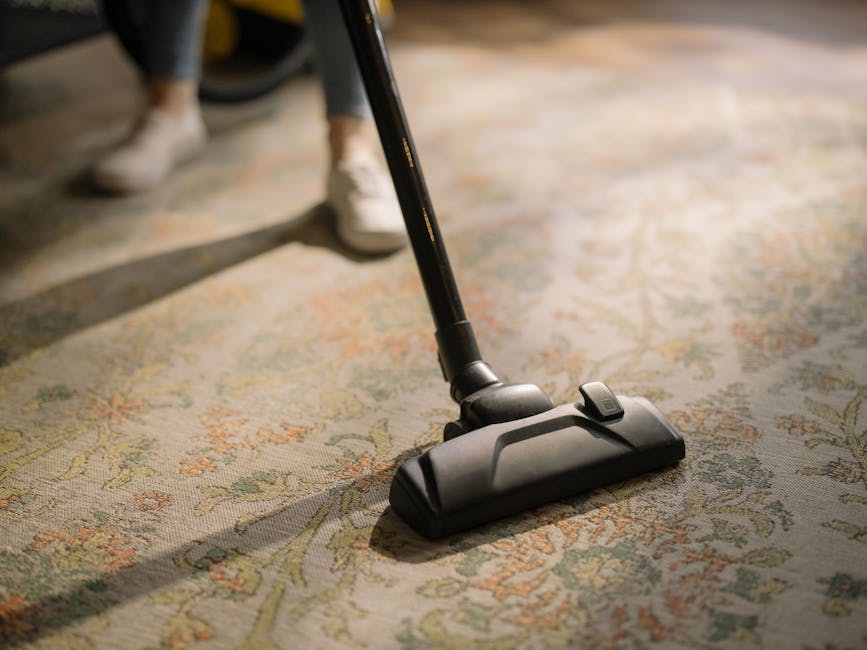
Brimsdown estate rug cleaning tips for Ponders End flats
If you live in a flat near Brimsdown estate or across Ponders End, rug care has a funny habit of becoming urgent at the worst possible time. A spill from tea, a muddy footprint after a wet walk, or that stubborn flat smell that seems to cling to fibres by Friday evening... it all adds up. These Brimsdown estate rug cleaning tips for Ponders End flats are written for real homes, real routines, and the sort of compact living where drying space is limited and noise carries further than you'd like.
In this guide, you'll find practical steps for cleaning rugs safely in flats, what to do before a deep clean, which methods suit different fibres, and when it makes more sense to bring in a specialist. You'll also get a checklist, a clear comparison of cleaning approaches, and a few grounded tips that help avoid the usual mistakes. Truth be told, rug cleaning is rarely glamorous, but it can make a huge difference to how a flat feels the moment you walk in.
For broader home-care support, it can also help to look at related services such as professional rug cleaning, targeted stain removal, and steam carpet cleaning when the floor coverings in the flat need more than a quick refresh.
Table of Contents
- Why Brimsdown estate rug cleaning tips for Ponders End flats Matters
- How Brimsdown estate rug cleaning tips for Ponders End flats Works
- Key Benefits and Practical Advantages
- Who This Is For and When It Makes Sense
- Step-by-Step Guidance
- Expert Tips for Better Results
- Common Mistakes to Avoid
- Tools, Resources and Recommendations
- Law, Compliance, Standards, or Best Practice
- Options, Methods, or Comparison Table
- Case Study or Real-World Example
- Practical Checklist
- Conclusion
- Frequently Asked Questions
Why Brimsdown estate rug cleaning tips for Ponders End flats Matters
Rugs do a lot of quiet work in a flat. They soften echo, make small rooms feel warmer, and protect flooring in high-traffic spots like hallways, living rooms, and bedside areas. In a Ponders End flat, where space can be tight and every item in the room pulls its weight, a rug is more than decoration. It's part comfort, part sound control, part practical floor shield.
That also means rugs pick up a lot. Dust settles in quickly, especially near doors and windows. Shoes bring in grit. Pets leave hair, dander, and the occasional accident. Cooking aromas drift. A mug of coffee slips. Then there's the usual London dampness, which can make fibres hold onto odours if a rug is cleaned badly or dried too slowly.
Why does this matter so much in flats? Because poor rug cleaning can create more problems than it solves. Too much moisture can leave a rug musty. Harsh scrubbing can distort pile. Over-wetting can transfer stains into the backing or even the underlay beneath. In shared buildings, it can also become a nuisance if water leaks, noise travels, or cleaning products are used carelessly in a communal corridor.
So the point of these tips is not just a cleaner rug. It's a safer, easier, more apartment-friendly approach that respects the realities of flat living. Small home, limited drying space, neighbours above and below, and not much room for error. You know the drill.
How Brimsdown estate rug cleaning tips for Ponders End flats Works
The basic idea is simple: remove dry soil first, deal with stains carefully, use the least aggressive method that will do the job, and dry the rug properly. In a flat, the order matters even more because you usually can't spread out, hose down, or leave everything outside in the sun.
A sensible cleaning process usually follows these stages:
- Identify the rug type - wool, synthetic, cotton, jute, viscose, blends, hand-tufted, or a delicate woven piece all behave differently.
- Test before treating - colour-fastness and fibre sensitivity should be checked in a hidden corner.
- Remove dry dirt - vacuum both sides if possible, because loose grit acts like sandpaper inside the pile.
- Treat spots individually - spills are best handled on the surface before they sink deeper.
- Clean with the right moisture level - in flats, damp cleaning is often safer than soaking.
- Dry thoroughly - airflow is the main goal, not heat alone.
That last step is where many people come unstuck. A rug can look clean but still hold moisture in the backing. A few hours later, there's a stale smell. Or worse, the edges curl a bit and the pile feels off underfoot. Not ideal, and usually avoidable.
If your rug has set-in staining, pet odour, or heavy traffic marks, a specialised approach may be needed. For instance, pet-related issues often respond better to pet stain and odour removal than to a general cleaning spray from the cupboard.
Key Benefits and Practical Advantages
Good rug care in Ponders End flats is not just about appearances. There are several practical wins, and they stack up quickly.
- Better indoor feel - a clean rug can make a room feel fresher, calmer, and less cluttered.
- Longer rug life - removing grit early reduces fibre wear and flattening.
- Less odour build-up - especially useful in smaller flats where smells linger more obviously.
- Improved allergy management - regular vacuuming and correct cleaning can reduce dust accumulation.
- Safer floors - rugs with clean, dry backings are less likely to slip or feel damp underfoot.
- Better value for money - a well-kept rug lasts longer, which is always nice, especially if you bought it because it "went with everything" and turned out to be a bit of an investment.
There's also a quieter benefit: confidence. A clean rug changes how you use the room. You stop worrying about guests, shoes, or that patch near the sofa. That matters in a flat where the living room often does three jobs at once.
Who This Is For and When It Makes Sense
These tips are for anyone living in or managing a flat in the Brimsdown estate and wider Ponders End area who wants a sensible, low-drama way to deal with rugs.
It makes particular sense if you are:
- in a smaller flat with limited ventilation;
- sharing walls, floors, or communal access with neighbours;
- dealing with pet hair, cooking smells, or everyday spills;
- looking after a rental flat and trying to keep it presentable;
- moving in or moving out and wanting rugs to look their best;
- trying to decide whether a DIY clean is enough or whether specialist rug cleaning is the safer bet.
It also helps if the rug has sentimental value. You see this a lot with older family pieces or a rug that has travelled from one home to another. People hesitate to clean it because they're afraid of ruining it. Fair enough. Some rugs really do deserve a gentler touch.
For upholstered items nearby, such as fabric chairs or a small sofa that shares the same room, it can be sensible to coordinate cleaning with upholstery cleaning so the whole space feels consistent rather than half fresh and half "nearly there".
Step-by-Step Guidance
Here's a practical process you can follow at home before deciding if the rug needs more than a basic clean.
1. Check the rug label or construction
Start by identifying the material. Wool can felt if treated too aggressively. Cotton is often more forgiving but can shrink. Jute and sisal dislike excess water. Viscose can look lovely and behave terribly if saturated. Synthetic rugs are usually more tolerant, though not invincible.
2. Vacuum thoroughly on both sides
Lift the rug if it is manageable and vacuum the underside as well as the top. That may sound fussy, but it removes grit embedded beneath the pile. If the rug is large and awkward, vacuum the top thoroughly and at least lift the edges. You'd be surprised how much dust hangs around the perimeter.
3. Deal with spills quickly, but calmly
Blot first. Don't rub. Rubbing spreads the stain and can grind it deeper. Use a clean, white cloth or paper towel and press gently from the outside of the mark toward the centre. If the spill is oily, use a dry absorbent powder or a rug-safe method rather than adding water straight away.
4. Test any cleaning solution
Always test on a hidden area. Look for colour transfer, pile distortion, or a stiff patch once dry. In a flat, this step is worth the extra few minutes because repairs are rarely cheap or simple.
5. Use the lightest effective cleaning method
For everyday refreshment, a vacuum and spot treatment may be enough. For deeper soil, use a lightly dampened cloth or a controlled application rather than soaking the rug. In smaller homes, less water is usually better. Less mess too, which is nice.
6. Rinse carefully if needed
If you use any solution, remove residue with clean water sparingly. Leftover cleaning product can attract new dirt and make fibres feel tacky. That's one of those annoying little things people only notice a week later.
7. Dry with airflow, not panic
Open windows if weather allows. Use a fan if you have one. Move the rug slightly off the floor if practical. Avoid placing it back in a closed room until it is dry through the backing. In a flat, this may take longer than expected. Be patient.
8. Reposition and protect
Once dry, put the rug back in place and consider a rug pad if slipping or floor protection is an issue. If the rug sits in a hallway or under a dining table, the pad can really help.
Expert Tips for Better Results
After years of seeing the same avoidable problems, a few tips stand out.
- Use a low-moisture mindset: In flats, especially, think "controlled clean" rather than "full soak".
- Rotate the rug: Turning it every few months helps even out wear from foot traffic and sunlight.
- Address the underlay: If the floor beneath the rug has been damp, the problem may be below the surface.
- Mind the room humidity: If it's a wet week and the flat already feels muggy, drying will take longer.
- Deodorise the room, not just the rug: Sometimes the smell isn't only in the fibres. Curtains, sofa fabric, and the carpet can all contribute.
- Keep a stain kit ready: A clean cloth, white towel, and rug-safe spot solution save time when something spills at the worst moment.
A small habit that helps more than people think: vacuum before the dust settles into the pile. Regular, gentle cleaning is better than one heroic session every six months. We've all done the heroic session. It never feels as satisfying as it should.
If the issue is more widespread across the floor, consider whether the room also needs carpet cleaning or a deeper steam clean to reset the space properly.
Common Mistakes to Avoid
Most rug damage comes from enthusiasm, not neglect. That sounds backwards, but it's true.
- Scrubbing hard - this can fuzz fibres, spread stains, and distort the rug surface.
- Using too much water - the biggest flat-living mistake of them all. It can cause odour, browning, or a damp underlay.
- Skipping the test patch - especially risky with coloured or delicate rugs.
- Drying too slowly - leaving a rug flat on the floor in a closed room is asking for trouble.
- Using random household chemicals - bleach, harsh degreasers, and strong sprays can do more harm than good.
- Ignoring the backing - a clean-looking top does not mean the rug is fully dry.
- Forgetting access and safety - in a shared building, wet floors and cleaning equipment need sensible handling.
One surprisingly common issue is trying to cover up a smell with fragrance spray. It might feel like progress for about ten minutes. Then the original problem returns, plus perfume. Not a winning combination.
Tools, Resources and Recommendations
You do not need a shed full of equipment. In most flats, a modest kit is better because it is easier to store and actually gets used.
| Tool or resource | What it helps with | Flat-friendly note |
|---|---|---|
| Vacuum with upholstery or brush attachment | Dry soil removal, dust, hair, grit | Use gentle suction on delicate rugs |
| Clean white microfibre cloths | Blotting spills and spot treatment | Good for seeing colour transfer |
| Rug-safe cleaning solution | Light stain and general cleaning | Always patch test first |
| Fan or open-window airflow | Drying support | Often more useful than extra product |
| Rug pad or underlay | Slip reduction and floor protection | Worth it in hallways and living rooms |
| Professional rug cleaning service | Deep cleaning, odour, delicate fibres | Useful when DIY feels risky |
When a rug is precious, antique, wool-rich, or badly stained, the safest recommendation is often a specialist clean rather than a trial-and-error approach. If you are comparing service options, you can review pricing and quotes alongside the service details so you know what level of cleaning is appropriate.
It can also be reassuring to check company information such as about us, insurance and safety, and health and safety policy before booking any service into a home.
Law, Compliance, Standards, or Best Practice
For most residents, rug cleaning is a practical household task rather than a regulated activity. Even so, there are a few best-practice expectations worth keeping in mind, especially in flats and shared buildings.
Safety first. Wet floors can create slip risks, so keep walkways clear and avoid letting hoses, buckets, or damp rugs block entrances. If cleaning in communal areas, be considerate about noise, residue, and access. That is just basic neighbourly common sense, really.
Follow product instructions. Cleaning products should be used according to the manufacturer's guidance. That matters because some fibres react badly to heat, excessive moisture, or strong chemistry. If a label says a rug is for professional cleaning only, take that seriously.
Protect the building fabric. Over-wetting can affect floors, especially where rugs sit on timber or laminate. In a flat, accidental moisture can migrate further than you think.
Be cautious with delicate materials. Natural fibres and hand-finished rugs often need more careful handling than machine-made synthetics. Best practice is to choose the least aggressive method first, and to stop if the fibre starts to distort.
Trustworthy service standards matter. If you do hire a cleaner, look for clear explanations, sensible drying advice, and straightforward policies. It's also worth checking terms and conditions and payment and security so expectations are clear before anyone arrives with equipment.
Options, Methods, or Comparison Table
Different rugs need different treatment. Here's a simple comparison that helps narrow the choice.
| Method | Best for | Advantages | Watch-outs |
|---|---|---|---|
| Vacuuming and spot cleaning | Routine upkeep, small spills | Quick, cheap, low-risk | Not enough for deep odour or heavy soil |
| Light damp cleaning | Synthetic and sturdier rugs | Useful for general refresh | Can still over-wet the rug if careless |
| Foam or low-moisture cleaning | Flats with limited drying space | Less drying time, less mess | May not remove deeper embedded contamination |
| Professional deep cleaning | Wool, delicates, persistent stains, odours | Better control and stronger results | Costs more and may require collection or on-site planning |
In a Ponders End flat, the low-moisture route often makes the most sense for routine maintenance. But if the rug has a deep spill, pet accident, or visible staining along the backing, the professional route is usually the safer decision. Trying to rescue it with a kitchen sponge and a hopeful expression is, let's face it, not a strategy.
Case Study or Real-World Example
A typical example: a tenant in a second-floor flat near Brimsdown estate notices their living room rug has picked up a dull grey line where people walk from the front door to the sofa. There is also a faint dog smell after rainy weekends, plus a tea stain near the edge that has already dried in.
They start with a thorough vacuum on both sides, then test a gentle cleaning solution in a hidden corner. The tea stain lightens, but the odour remains because the rug has absorbed more than just surface dirt. Rather than scrubbing harder, they let the rug dry fully with a fan and then decide the smell is still too noticeable. At that point, a deeper clean is the more sensible choice.
What changed the outcome was not one dramatic step. It was the sequence: vacuum, test, treat, dry, assess. That's the part people skip when they get impatient. And in a flat, impatience tends to show up later as dampness, streaks, or a rug that feels wrong underfoot.
The result in this kind of situation is usually better once the problem is treated as a fibre-and-moisture issue rather than a simple surface stain. Small detail, big difference.
Practical Checklist
Use this checklist before, during, and after cleaning your rug in a flat.
- Identify the rug material and backing type.
- Check for care labels or professional-clean-only guidance.
- Vacuum the top surface carefully.
- Vacuum or shake out the underside if the rug allows it.
- Test any cleaner in a hidden spot.
- Blot stains instead of rubbing them.
- Use the least amount of moisture needed.
- Keep doors or windows open for airflow where safe.
- Make sure the rug is dry all the way through before replacing furniture.
- Use a rug pad if slipping is an issue.
- Recheck for odour after drying, not just while the rug is still damp.
- Book a specialist clean if the rug is delicate, large, or still stained.
Expert summary: In flat living, the best rug cleaning is rarely the wettest one. It is the one that removes soil, protects the fibres, dries properly, and leaves no hidden dampness behind.
For deeper care across the home, you might also look at curtain cleaning or mattress cleaning if dust, odour, or allergens are affecting more than just the rug.
Conclusion
Brimsdown estate rug cleaning tips for Ponders End flats come down to a simple principle: treat the rug gently, control the moisture, and always think about drying. In a flat, that approach protects your flooring, keeps the room smelling fresh, and helps the rug last much longer than a rushed clean ever will.
If you remember just three things, make them these: vacuum first, test before treating, and never underestimate drying time. Everything else hangs off those basics. And once you've got the rhythm, rug maintenance stops feeling like a chore and starts feeling manageable. Not exciting, maybe. But manageable.
For a deeper refresh or a rug that needs more than DIY care, speak to a trusted local specialist and ask what method suits the fibre, the stain, and the room conditions in your flat.
Get a free quote today and see how much you can save.
Sometimes the cleanest room is not the one that looks perfect at noon. It's the one that still feels good when you come home later, take your shoes off, and actually relax.
Frequently Asked Questions
How often should I clean a rug in a Ponders End flat?
For most flats, regular vacuuming is the baseline, with deeper cleaning only when the rug starts to look dull, hold odours, or pick up visible staining. High-traffic rugs may need attention more often than decorative ones.
Can I clean a wool rug myself?
Yes, but only carefully. Wool can felt, shrink, or lose texture if over-wet or scrubbed hard. A gentle spot-cleaning approach is usually safer than a full soak. If the rug is valuable, professional cleaning is the wiser option.
What is the safest way to dry a rug indoors?
Good airflow is the main goal. Open windows if weather allows, use a fan, and avoid placing the rug back fully in position until both the pile and backing are dry. A rug that feels almost dry can still hold moisture underneath.
Why does my rug still smell after cleaning?
The smell often comes from moisture trapped in the backing, underlay, or fibres, not just the surface. If the rug was cleaned too wet or dried too slowly, odour can linger even when it looks fine.
Is steam cleaning safe for every rug?
No. Steam or hot-water methods are not suitable for all fibres, especially delicate natural materials or rugs with unstable dyes. It depends on construction, backing, and condition. When in doubt, check first.
Should I clean the underside of the rug too?
Yes, where practical. Dust and grit collect underneath, and that dirt can work its way back into the pile. Vacuuming the underside can make a noticeable difference, especially in small flats where rugs get a lot of use.
How do I remove pet odour from a rug?
Start with careful blotting and proper cleaning, but don't rely on fragrance sprays. Pet odour often needs a treatment that reaches beyond the surface. If the smell persists, a specialist pet stain and odour service is often the best route.
Can I use supermarket stain removers on my rug?
Sometimes, but only after testing them in a hidden area. Some products are too aggressive for delicate fibres or dyed rugs. Read the instructions and keep the treatment light if the rug is in a flat with limited drying space.
What if the rug starts to curl after cleaning?
Curling usually suggests moisture, heat, or backing issues. Allow the rug to dry completely, flatten it gently, and avoid placing heavy furniture on it too early. If the distortion stays, a specialist may be needed.
Are rug pads worth it in flats?
Usually, yes. Rug pads help with grip, reduce movement, and protect both the rug and the floor. They are especially useful in hallways, living rooms, and under dining tables where movement is constant.
Do I need a professional cleaner for a stained rug?
Not always, but it depends on the rug type and the stain. If the stain has set, the rug is delicate, or there is any sign of colour bleeding, professional help is safer than risking damage with repeated DIY attempts.
How can I keep rugs fresher between deep cleans?
Vacuum regularly, rotate the rug, deal with spills fast, and avoid bringing in excess dirt from shoes. Small habits make a big difference. Honestly, that's the quiet secret of good rug care.